
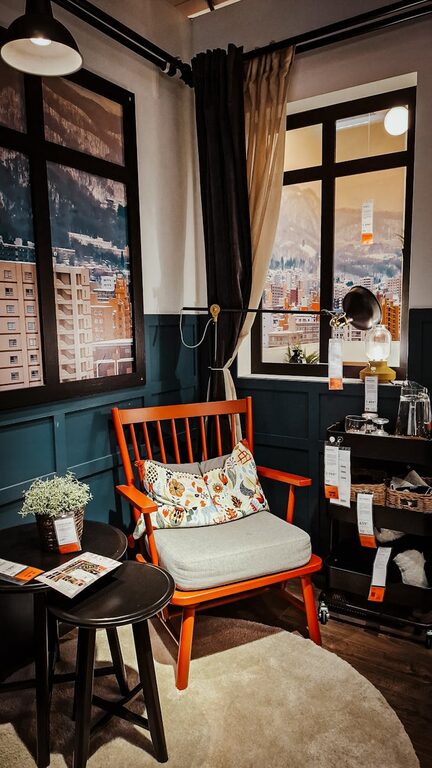
Creating the right lighting in your home is more than just illuminating a room—it’s about enhancing comfort, setting the mood, and even influencing how you feel throughout the day. Choosing comfortable home lighting can transform your living space into a warm, inviting haven where you can relax, work, or entertain with ease. Whether you are redesigning a room or simply upgrading your fixtures, this guide shares practical tips to help you select lighting that balances function and comfort.
Understanding Comfortable Lighting: Why It Matters
Comfortable lighting isn’t just about brightness levels; it involves the quality, color, and placement of light. Poor lighting can cause eye strain, headaches, or create a dull atmosphere, while well-planned lighting highlights your home’s best features and increases overall well-being.
Factors that contribute to comfortable lighting include:
– Appropriate brightness for each activity
– Warm or natural light tones
– Adjustable fixtures for flexibility
– Even distribution to avoid harsh shadows
By keeping these factors in mind, you can create lighting solutions that feel natural and inviting.
Types of Home Lighting and Their Purposes
Lighting usually falls into three main categories. Combining them thoughtfully is key to creating comfortable, layered lighting.
1. Ambient Lighting
Ambient lighting provides the general illumination for a room. It should be soft but bright enough for people to move around safely.
Common ambient sources:
– Ceiling fixtures like flush mounts or pendants
– Recessed lighting
– Floor or table lamps placed strategically
Aim for a mellow light level, avoiding overly bright or harsh glare.
2. Task Lighting
Task lighting focuses on specific areas where activities like reading, cooking, or working occur. This helps reduce eye strain and improves productivity.
Examples include:
– Desk lamps for workspaces
– Under-cabinet lights in the kitchen
– Adjustable reading lamps near chairs or beds
Ensure task lighting is bright but not overpowering. Adjustable fixtures add extra comfort by letting you control light direction and intensity.
3. Accent Lighting
Accent lighting adds visual interest by highlighting architectural features, artwork, or plants. It contributes to a cozy and inviting atmosphere.
Can include:
– Spotlights or track lights aimed at walls
– LED strip lights along shelves
– Wall sconces for decorative effect
Accent lights should be subtle and complement the overall lighting scheme.
Tips for Choosing Comfortable Lighting
1. Consider Color Temperature
Color temperature is measured in Kelvins (K) and influences how warm or cool the light appears.
– Warm white (2700K–3000K): Creates a cozy, relaxing atmosphere perfect for living rooms and bedrooms
– Neutral white (3500K–4100K): Good balance for kitchens, bathrooms, and workspaces
– Cool white (5000K+): Crisp and bright, often used in garages or offices but can feel harsh if overused at home
Choose warmer tones for comfort and soft ambiance, and use cooler tones only where precision and focus are required.
2. Prioritize Dimmable Options
Lighting that can be dimmed offers flexible control, allowing you to adjust brightness for different moods or tasks. Dimmers make it easy to transition from bright daytime light to soft evening glows without changing bulbs.
Look for:
– Compatible bulbs and fixtures with dimming capability
– Smart lighting systems controlled by apps or voice assistants
3. Use Multiple Light Sources
Relying on one overhead light can create flat, uncomfortable illumination. Layering different types of lights helps achieve balance and depth.
For example:
– Combine ceiling lights with floor lamps and wall sconces
– Use task lamps near reading or cooking areas
– Add accent lighting to highlight décor elements
This approach lets you tailor the lighting to each space and activity.
4. Pay Attention to Fixture Placement
Where you put your lights affects how comfortable they feel. Improper placement can create glare or dark spots.
Tips include:
– Avoid lights directly in front of or behind screens to reduce glare
– Position task lights so that shadows don’t fall on your work area
– Place floor lamps beside seating areas for accessibility and warmth
Experiment with fixture angles and heights for optimal comfort.
5. Opt for Soft, Diffused Lighting
Harsh, direct light can strain the eyes. Fixtures with shades or diffusers soften the light, spreading it evenly throughout the room.
Consider:
– Lampshades made of fabric or frosted glass
– Pendant lights with diffusers
– LED bulbs with frosted covers
Diffused light helps create a calm, visually comfortable environment.
6. Match Lighting to Room Function
Different rooms have different lighting needs. Tailoring lighting to the room’s function increases comfort and usability.
– Living room: Warm ambient lighting plus a few task lights for reading or hobbies
– Kitchen: Bright task lighting on countertops, plus ambient ceiling lights
– Bedroom: Soft ambient lighting with adjustable bedside lamps
– Bathroom: Even lighting around mirrors to avoid shadows
Adjust your lighting choices to fit how you use each space.
7. Choose Energy-Efficient Bulbs
Comfortable lighting can also be environmentally friendly. LED bulbs are energy-efficient, long-lasting, and available in a variety of color temperatures. Using energy-efficient bulbs helps reduce electricity bills and maintenance hassle without sacrificing quality.
8. Test Different Lighting Options
Before fully committing, test various bulbs and fixtures in your space. Many stores offer sample bulbs you can try at home, or bring home floor and table lamps to see how they complement your room.
Pay attention to:
– How the light affects room color and textures
– Glare or shadows at different times of day
– The overall mood each light creates
Testing helps ensure your final setup feels just right.
Final Thoughts
Comfortable home lighting plays a vital role in how welcoming and functional your space feels. By understanding the types of lighting, focusing on color temperature, layering multiple sources, and choosing adjustable, soft fixtures, you can create an environment that supports your lifestyle and enhances your home’s style. Take time to experiment with different options, and enjoy the cozy glow of lighting designed with comfort in mind.