
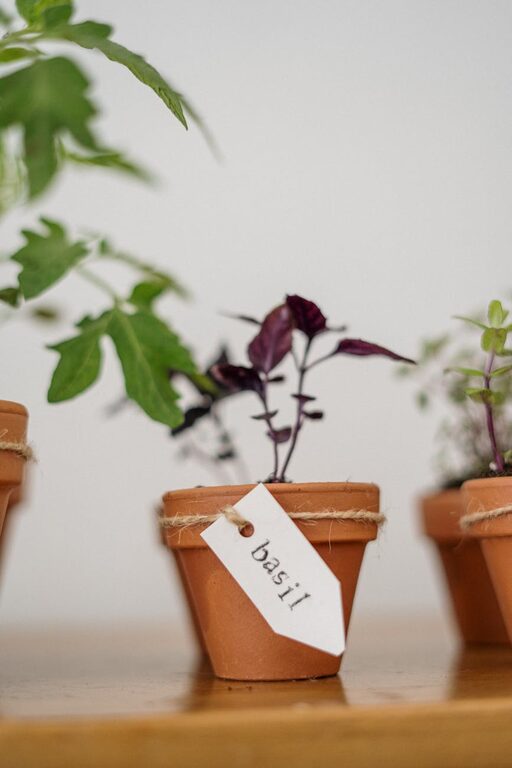
Growing your own fresh herbs indoors is a rewarding way to enjoy fragrant flavors and greenery year-round. Whether you have limited outdoor space or simply want fresh herbs on hand while cooking, starting an indoor herb garden can be simple and enjoyable. In this guide, we’ll walk you through everything you need to know to begin your small indoor herb garden successfully.
Why Grow Herbs Indoors?
Herbs add great flavor to meals and can also improve air quality and mood. Growing them indoors means:
– Fresh herbs anytime
– No need for a yard or garden plot
– Control over growing conditions
– Decorative and functional plants for your kitchen or windowsill
Choosing the Right Herbs for Indoors
Some herbs thrive better indoors than others. Consider these popular, easy-to-grow varieties:
– Basil: Loves warm, sunny spots and regular watering.
– Parsley: Prefers bright indirect light and moist soil.
– Thyme: Needs bright light and well-drained soil.
– Chives: Adaptable and low-maintenance.
– Mint: Grows rapidly—great in contained pots.
– Oregano: Does well with lots of sunlight and moderate water.
Starting with 2-3 herbs is ideal for beginners.
Selecting Containers and Soil
Containers
– Choose pots with drainage holes to avoid waterlogging.
– Depending on space, small pots (4-6 inches) or larger containers work.
– Consider using recycled containers with drainage or decorative pots with saucers.
Soil
– Use a high-quality potting mix designed for indoor plants.
– Avoid garden soil which may be too heavy or contain pests.
Finding the Best Location
Most herbs need 6-8 hours of sunlight daily. Place your garden:
– On a south-facing windowsill for optimal light.
– Under grow lights if natural light is limited.
– Away from drafts or heaters that can dry out plants.
If natural light is scarce, LED or fluorescent grow lights can effectively supplement.
Planting Your Herbs
From Seeds
– Start seeds in small pots or seed trays filled with seed-starting mix.
– Keep soil moist and warm (65-75°F).
– Thin seedlings so only the healthy ones remain.
– Transplant to larger pots once seedlings are established.
From Seedlings or Starter Plants
– Purchase young herb plants from nurseries.
– Remove gently from their nursery pots.
– Repot in fresh soil to encourage growth.
Watering and Feeding
– Water when the top inch of soil feels dry.
– Avoid overwatering; herbs prefer slightly moist, not soggy soil.
– Use a watering can with a narrow spout to avoid splashing leaves.
– Feed with diluted liquid fertilizer every 4-6 weeks during the growing season.
Maintaining Your Indoor Herb Garden
Pruning and Harvesting
– Regularly pinch or trim herbs to encourage bushier growth.
– Harvest leaves from the top, not by pulling entire stems.
– Avoid letting herbs flower, as this can reduce leaf flavor.
Monitoring for Pests
– Check leaves regularly for signs of pests like aphids or spider mites.
– Remove pests by wiping leaves or using insecticidal soap if necessary.
Rotating Plants
– Rotate pots each week to ensure even light exposure and balanced growth.
Tips for Success
– Keep a small spray bottle handy to mist herbs, increasing humidity.
– Label your herbs, especially when growing several types.
– Keep herbs away from cold windows during winter.
– Use saucers under pots to catch excess water.
Common Challenges and Solutions
| Challenge | Solution |
|———————-|——————————————|
| Leggy, weak stems | Provide more light, prune regularly |
| Yellow leaves | Check watering, avoid overwatering |
| Slow growth | Fertilize lightly, ensure good light |
| Pests infestation | Isolate affected plants, treat promptly |
Enjoying Your Indoor Herb Garden
Freshly picked herbs elevate salads, soups, teas, and more. Experiment with different varieties to find your favorites. Over time, your indoor garden can also become a calming hobby and a lovely natural decoration.
—
Starting a small herb garden indoors is easier than you might think. With a bit of planning and care, you can enjoy homegrown herbs throughout the year regardless of your living space. Ready to get planting? Gather your pots, seeds, and sunlight, and bring a touch of green into your home today!