
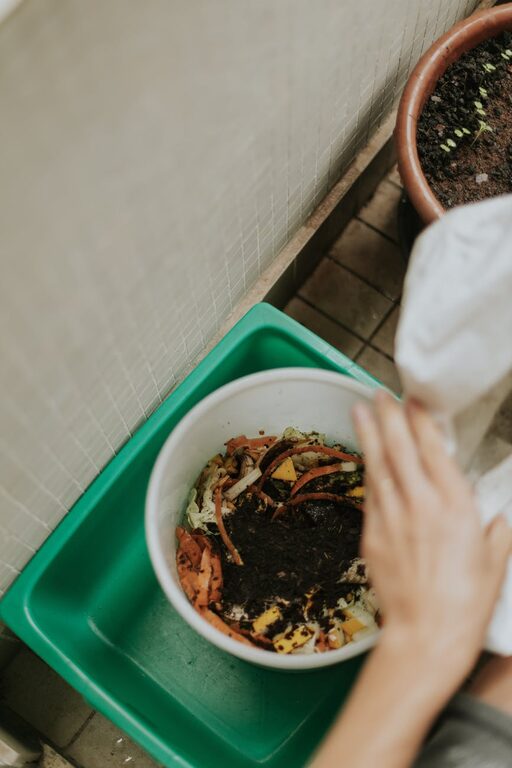
Composting at home is a fantastic way to reduce waste, enrich your garden soil, and contribute positively to the environment. If you’re new to composting, the process might seem a bit confusing at first, but it’s actually quite simple once you understand the basics. In this post, we’ll explore beginner-friendly tips to help you get started with composting right in your own backyard or even indoors.
What is Composting?
Composting is a natural process where organic materials like food scraps and garden waste break down and transform into nutrient-rich soil. This soil, often called “black gold” by gardeners, improves soil health, supports plant growth, and reduces the need for chemical fertilizers.
Why Should You Compost at Home?
– Reduces waste: Composting keeps organic waste out of landfills, reducing methane emissions.
– Improves soil health: Adds valuable nutrients and helps retain soil moisture.
– Saves money: Cuts down on buying fertilizers and garden soil.
– Supports the environment: Encourages sustainable living and resource conservation.
Now that you understand the benefits, let’s dive into how you can start composting easily.
Choosing the Right Composting Method
There are various ways to compost at home. Pick the approach that suits your space, lifestyle, and needs.
1. Outdoor Compost Bin
If you have a garden or backyard, an outdoor compost bin is a great choice. You can buy a ready-made bin or build one yourself.
– Pros: Large capacity, easier to turn and manage.
– Cons: Takes up space, may attract pests if not managed properly.
2. Compost Pile
A simple compost pile in your yard is suitable for large amounts of yard waste.
– Pros: No cost, flexible size.
– Cons: Less control over process, potential odor or pests.
3. Tumbler Compost Bin
A compost tumbler is a closed container on a frame that you can rotate to mix compost.
– Pros: Faster decomposition, less odor, pest-resistant.
– Cons: Smaller capacity, can be more expensive.
4. Indoor Composting (Worm Bin/Vermicomposting)
If outdoor space is limited, vermicomposting using worms is effective indoors.
– Pros: Suitable for apartments, quick composting.
– Cons: Requires care for worms, limited quantity.
Getting Started: What You Need to Compost
Before you begin, gather these essentials:
– Compost container or space: Bin, pile, tumbler, or worm bin.
– Organic materials: Kitchen scraps, garden waste.
– Water: To keep compost moist.
– Tools: Garden fork, shovel, or pitchfork to mix compost.
What Can You Compost?
Brown Materials (Carbon-rich)
– Dry leaves
– Straw or hay
– Cardboard and paper (shredded)
– Wood chips or sawdust (untreated)
Green Materials (Nitrogen-rich)
– Fruit and vegetable scraps
– Coffee grounds and tea bags
– Grass clippings
– Fresh garden trimmings
Avoid Composting
– Meat, dairy, and oily foods (attract pests)
– Diseased plants
– Pet waste
– Treated wood or chemically sprayed plants
Steps to Start Composting at Home
Step 1: Select a Location
Choose a dry, shaded spot for your compost bin or pile. It should be accessible but not too close to your house.
Step 2: Add Materials in Layers
Start with a layer of coarse materials like twigs to improve air circulation. Then alternate layers of brown and green materials.
Step 3: Maintain Moisture
Your compost should be as moist as a wrung-out sponge. Add water if it’s too dry or add dry brown materials if it’s too wet.
Step 4: Turn Your Compost
Every 1–2 weeks, turn your compost with a garden fork or by rotating the tumbler. This introduces oxygen, encouraging faster decomposition.
Step 5: Monitor Temperature
Compost heats up during decomposition. A warm pile (around 130°F or 54°C) breaks down materials faster. If it cools off, turn the pile.
Step 6: Harvest Finished Compost
After a few months, your compost should look dark and crumbly with an earthy smell. Sift out large pieces, then it’s ready to use!
Tips for Successful Composting
– Balance greens and browns: A good mix is roughly 2 parts brown to 1 part green.
– Chop or shred materials: Smaller pieces decompose faster.
– Avoid piling too much: Large piles can get compacted and lack airflow.
– Be patient: Composting takes time; finished compost can take 3-6 months.
– Use a cover: A tarp or lid helps retain moisture and heat.
– Keep pests away: Avoid adding food scraps that attract animals, and cover fresh scraps with brown materials.
Using Your Compost
Your homemade compost is perfect for:
– Amending garden beds
– Potting plants
– Mulching around trees and shrubs
– Starting new lawns
Mix it with your soil to boost nutrient content and improve soil texture.
Conclusion
Starting composting at home is simple and rewarding. By following these beginner tips, you’ll reduce waste, nurture your garden, and make a positive impact on the environment. Remember, composting is a natural process—learning through trial and error is part of the fun.
If you’re ready to get your hands dirty, gather your scraps, pick a composting method, and start turning your waste into garden gold today! Happy composting!